
Archaeological · Damascus
Old City of Damascus
UNESCO 20 (1979, Danger since 2013; 86.12 ha, buffer 42.6 ha) — founded 3rd millennium BC, among the oldest continuously inhabited cities; 125 monuments on a Graeco-Roman grid, Great Umayyad Mosque 8th c. (criteria i, ii, iii, iv, vi).
- Type
- Archaeological
- City
- Damascus
- Visiting tips
- 5 tips
- Updated
- 30 August 2026
History
History
Ancient City of Damascus — UNESCO 20, inscribed 1979 (Danger since 2013; 86.12 ha, buffer 42.6 ha; criteria i, ii, iii, iv, vi) — was founded in the 3rd millennium BC at the crossroads of Orient and Occident between Africa and Asia, considered among the oldest continuously inhabited cities in the world. Excavations at Tell Ramad on the outskirts demonstrated habitation as early as 8,000–10,000 BC; the city is not documented as important until the Aramaeans, then Hellenistic, Roman, Byzantine and Islamic layers each left their mark.
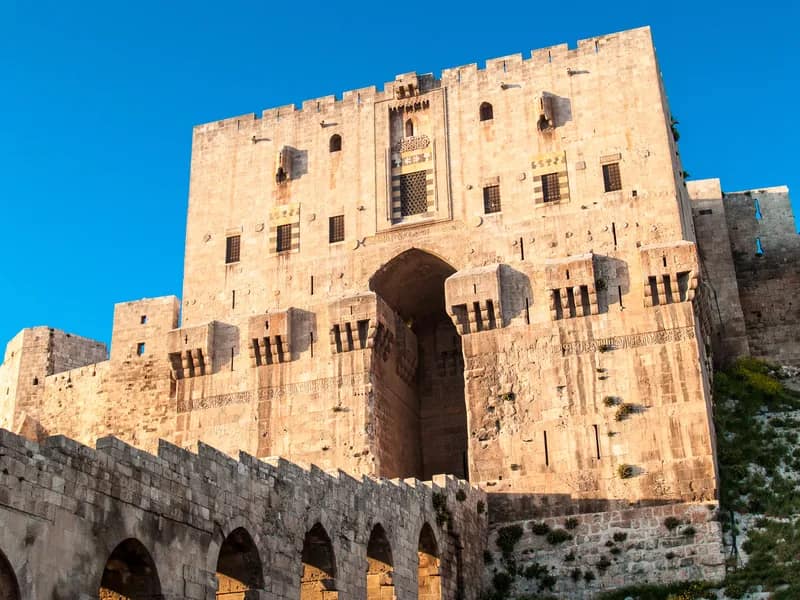
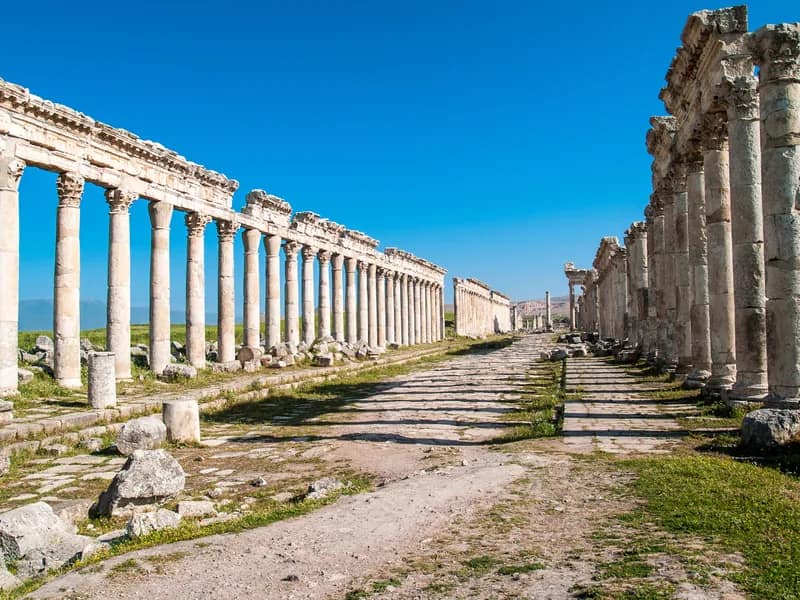
The Outstanding Universal Value is the urban fabric itself: a Roman plan that maintains the Greek city's orientation — all streets oriented north–south or east–west — with the earliest visible evidence being the Temple of Jupiter, Roman gates and walls and the Straight Street (Via Recta of the Bible) running east–west. As capital of the Umayyad Caliphate, Damascus set the model for subsequent Arab cities: the incomparable 8th-c. Great Mosque of the Umayyads (705–715, built on an Assyrian sanctuary/Temple of Jupiter and over a Christian basilica to John the Baptist) became a masterpiece of Umayyad architecture alongside Citadel, Azem Palace (18th c. Ottoman domestic masterpiece), madrasas, khans, hammams and private houses — 125 protected monuments in total.
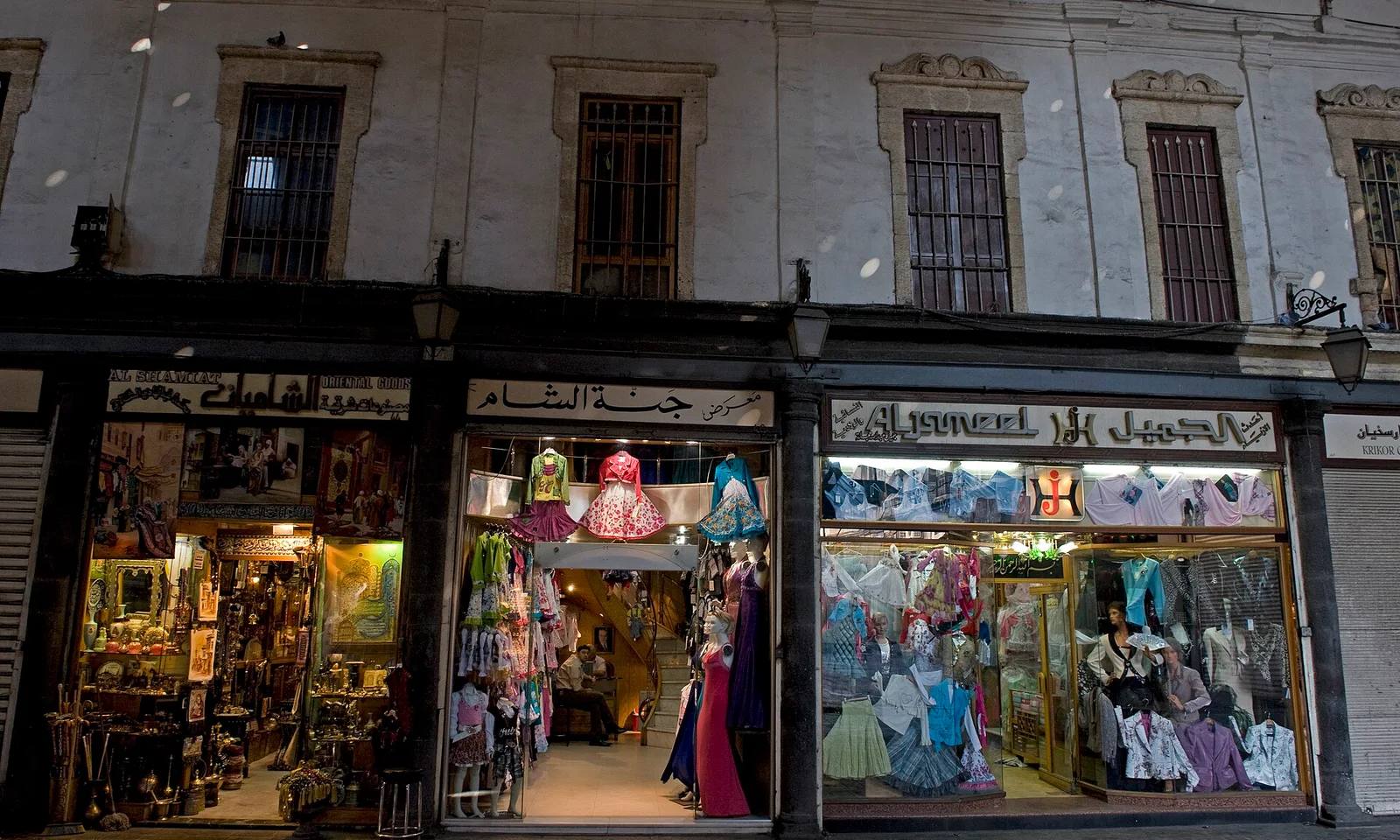
Protected by Antiquities Law 222 (1999) and Ministerial Order 192 (1976) with a Committee for the Protection and Development of Old Damascus and an Integrated Urban Plan (Ministerial Decision 37/A, 2010), the walls form the property boundary; attributes within — plan, dense fabric, walls/gates — are vulnerable to erosion from non-traditional maintenance and to commercial encroachment into residential lanes. Still a living quarter, souks, cafés, mosques, churches and homes sit side by side.
Visiting tips
Before you go
- 1
Wander freely — the Old City rewards getting lost; expect uneven stone lanes and a maze of covered souks.
- 2
Walk the Straight Street between Bab Sharqi and Bab Touma, passing beneath Souq Midhat Pasha's vaulted roofs.
- 3
Visit the Azem Palace, now a museum of traditional Damascene life, with its elegant courtyards and rooms.
- 4
Allow at least half a day, more if you plan to visit the Umayyad Mosque and hammams; evenings are lively in the cafés.
- 5
Conditions change: ask your hotel or our team in Damascus for the latest on access before you go.
Nearby in Damascus
More to see and do
More sights nearby
Experiences in Damascus
- Damascus day tour: Umayyad Mosque & Old CityA day in Old Damascus with a licensed guide: the Umayyad Mosque, the covered souqs, Khan As'ad Pasha and Straight Street, all on foot.
- Old City food walkA wander through the kitchens and sweet shops of the Old City, where the food scene is informal, seasonal, and full of character.
- Mount Qasioun viewThe mountain over Damascus (1,151 m): the city's classic sunset view, cafés on the slopes, old cave shrines, and the new Qasioun Journey project taking shape.
Destinations
Ready to explore Damascus?
Request a hotel quote for Damascus and plan your trip with our local team.